As I came to understand how my childhood trauma had shaped me, I saw more clearly how unprocessed pain continued to wreak havoc well into midlife. This realization compelled me to explore and understand the deeper reasons behind my recurring emotional pain. By piecing together fragments of memory—scattered bits and pieces of lived experiences—I began to notice patterns in my reactivity and emotional triggers.
Without realizing it at first, I had been applying an ethnographic approach I learned in graduate training. In ethnography, the triad of participant, observer, and researcher exists in delicate balance. To my surprise, this mirrored the method of memoir writing, where character, narrator, and author work together like a collaborative research team. Only later did I realize how my research background had aided my memoir writing process. I became both subject and investigator, extracting meaning from my own experience.
It’s been a long, arduous road, filled with uncertainties and setbacks, but the outcome has been rewarding and redemptive. For the first time, I was able to honor myself for having endured what I went through and to arrive at a place where the wounds no longer dictate my future direction.
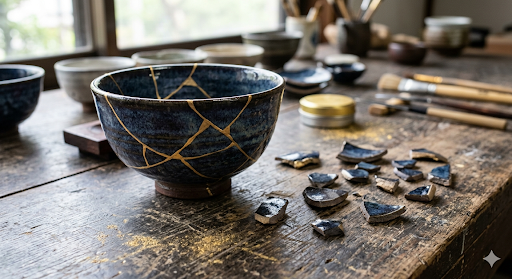
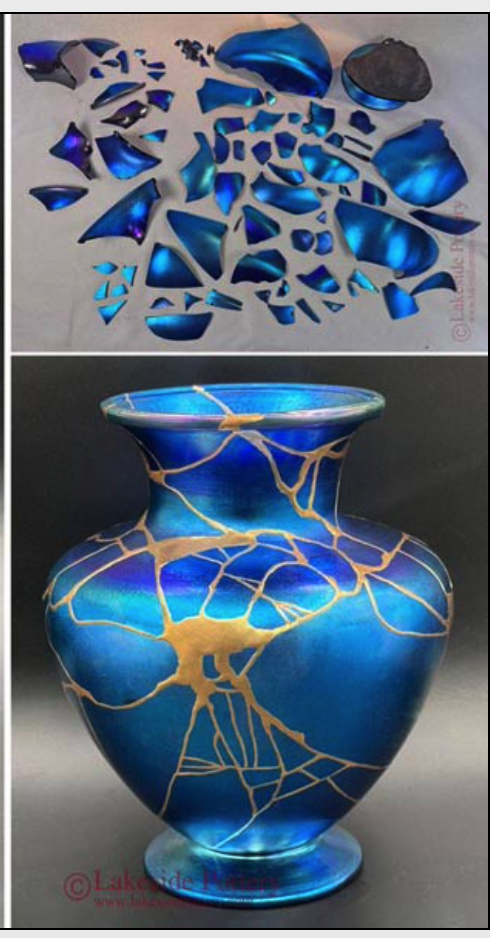
The process of reconstructing my story—threading together fragmented memories into a coherent narrative—reminds me of Kintsugi, the ancient Japanese art of mending broken pottery with gold. Rather than hiding or disguising the cracks, this method honors them by giving careful attention, repairing each fracture with shimmering lacquer mixed with powdered gold. The breakage becomes part of the vessel’s history, adding meaning and beauty.
This is how healing feels to me. The shards of my painful history became the places where light entered, echoing Rumi’s insight. What emerged from the wreckage of buried trauma was a clear understanding and a deep appreciation of the life I’ve striven to survive. The cracks remain, but they now glint like veins of gold in Kintsugi pottery.
Overcoming victimhood has been both liberating and empowering. I don’t seek to minimize what happened or dismiss the suffering I endured. I simply acknowledge that those experiences shaped the foundation of who I am—someone who persevered through the process and reached the other side of transformation.